What Vision Log coordinates in an international shipment
We coordinate the physical, documentary and customs flow of the cargo between origin and destination.
- Route planning and choice of mode — ocean, air, road or combinations
- Booking and follow-up of international freight
- Pick-up at origin and delivery at final destination
- Interface with customs clearance for imports and exports
- Cargo insurance and warehousing, when needed
- Milestone tracking and exception reporting
Operations that combine different modes
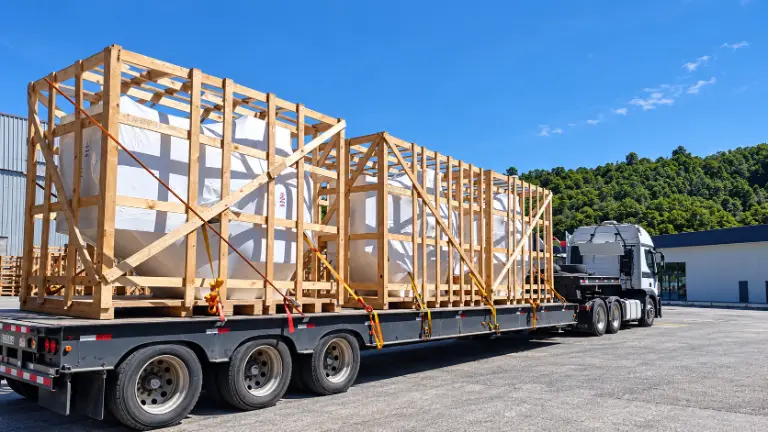
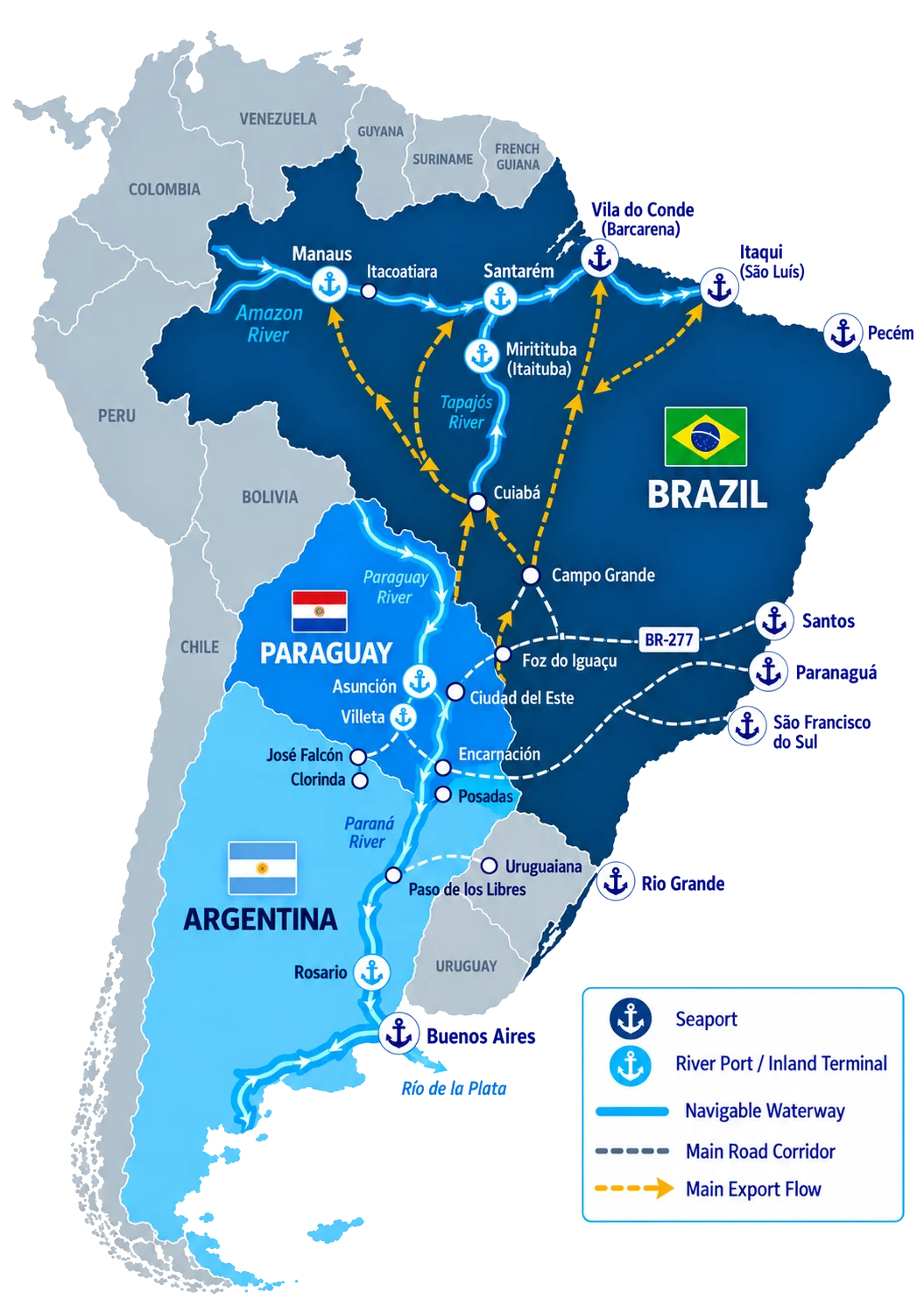
Many shipments combine modes — for example, ocean freight to the port and road transport to the customer’s plant.
Vision Log coordinates each leg with the providers involved — carriers, airlines, hauliers and terminals — following schedules and documents in an integrated way. Each leg is performed by the respective carrier under the transport documents issued for it.
Why the cheapest freight is not always the lowest total cost
Total logistics cost includes freight, origin and destination charges, storage, demurrage, insurance, duties and the cost of delays.
A low freight quote may come with longer transit time, transshipments, short free time or high local charges. We assess the full operation so the decision reflects end-to-end cost, not only the freight rate.
How it works
- AssessmentCargo, origin, destination, Incoterm, deadlines and document requirements.
- PlanningMode, route and providers, with an estimate of total cost.
- ExecutionBookings, pick-up, loading and document follow-up.
- ClearanceCoordination with customs clearance at origin and/or destination.
- DeliveryTransport to final destination and operation close-out.
Typical use cases
- Imports of machinery, inputs and industrial components
- Exports of manufactured goods and general cargo
- Recurring operations with suppliers in Asia, Europe and the Americas
- Cargo requiring a combination of modes to the final destination
Points to check
- Incoterm correctly defined in the sales contract
- Commercial documents consistent with each other (invoice, packing list, certificates)
- Tariff classification and licenses required for the product
- Cargo readiness, dimensions and weight confirmed before booking