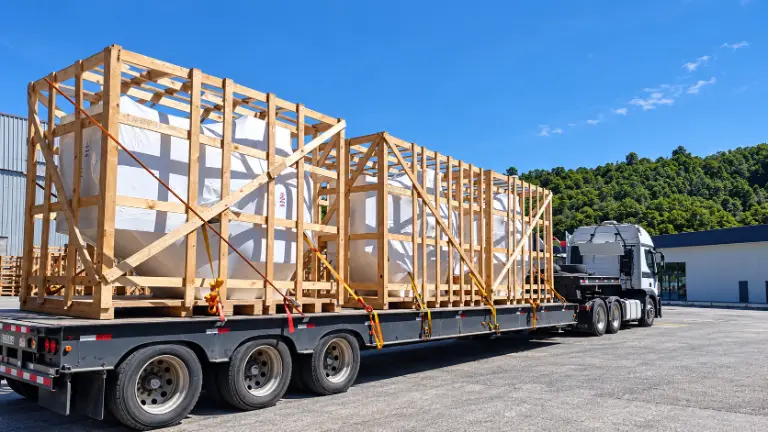
FCL, LCL or break bulk: how to choose
The choice depends on volume, cargo type and timing.
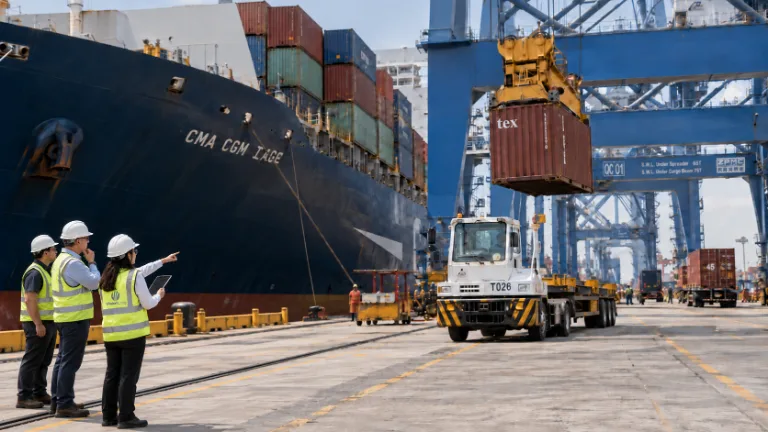
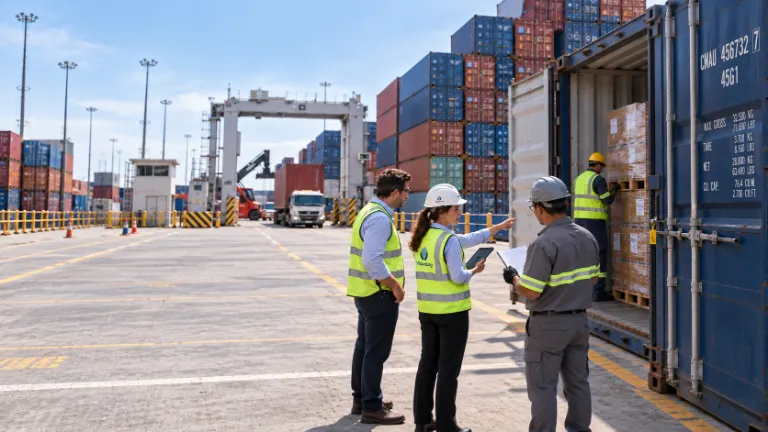
- FCL: a volume that fills a 20′ or 40′ container, with more control and less handling
- LCL: smaller volumes consolidated with other cargo
- Special containers: reefer, open top and flat rack
- Break bulk: cargo that does not fit a container, loaded directly in the hold or on deck
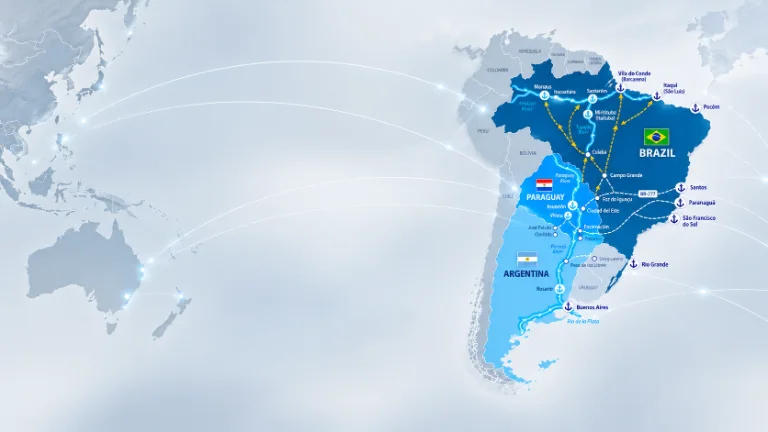
The destination port matters
Port choice affects cost, transit time and inland logistics.
Berthing windows, congestion, terminal storage costs and distance to the final destination should be part of the plan. In some cases an alternative port or coastal shipping lowers the total cost.
Container availability
Vision Log operates its own container fleet, in addition to accessing carrier equipment through its network.
This supports availability in peak periods and for operations that require specific equipment.
How it works
- QuoteVolume, weight, cargo type, ports and Incoterm.
- BookingVessel booking and container release.
- Pick-up & stuffingCargo collection and container stuffing at origin.
- SailingVessel follow-up, transshipments and ETA.
- DestinationArrival, clearance and delivery to consignee.
Typical use cases
- Large-scale imports and exports
- Heavy and bulky cargo
- Industrial projects shipped break bulk
- Recurring shipments on regular routes
Points to check
- Free time and demurrage at destination
- Verified gross mass (VGM) submitted on time
- Vessel cut-off for cargo and documents
- Real transit time, including transshipments